
Brain Health and Neuroscience Coaching Certification Program
Biblically Informed, Evidence-Based Training for Christian Coaches and Counselors
This 24-hour certification program equips Christian coaches and counselors to understand how the brain shapes emotions, behavior, and growth so they can support stronger mental and behavioral health, healthier thinking patterns, and greater resilience in their clients.


Expert Brain Health Coaches and Trainers
24+ Hours of Professional Coach Training
24 Continuing Education Credits for Coaches
Educational Pathway to IBCC Certification
The brain is often the overlooked
pathway to transformation.
Many coaches and counselors focus on motivation, mindset, and spiritual growth, but transformation often requires understanding how the brain actually works.
What you are seeing in your clients
- Ongoing anxiety, stress, and emotional dysregulation
- Repeated behavior patterns that are hard to change
- Slow or inconsistent progress
- Difficulty building healthier habits
What you are experiencing as a coach or counselor
- A desire to help more effectively
- Limited neuroscience training
- Uncertainty about what drives behavior
- A need for practical, evidence-based tools
Clients need more than encouragement. They deserve support grounded in an understanding of how the brain shapes emotions, behavior, and growth.
This certification pathway equips Christian coaches and counselors to understand how the brain influences emotions and behavior so they can guide mental, emotional, and behavioral change.
Why Brain Health and Faith are Connected
Clients often desire spiritual growth, emotional healing, and meaningful change, yet continue to feel stuck or overwhelmed.
This short course preview introduces neurotheology, a framework that connects Christian faith and neuroscience to show how spiritual practices shape the brain and support human flourishing.
What This Training Equips You to Do.
- Understand how the brain influences emotions, stress, and behavior in your clients
- Apply neuroscience-informed strategies to support emotional regulation and resilience
- Help clients develop healthier thinking patterns and habits
- Support growth through evidence-based, faith-informed coaching practices
- Strengthen your confidence when working with anxiety, stress, and behavior change
““For years, Christian coaches and counselors have been deeply committed to helping people grow spiritually and emotionally. Today, we also recognize the importance of neuroscience-informed care in understanding how emotions, behavior, and change are shaped. This program reflects AACC’s commitment to equipping coaches with sound neuroscience, practical skill, and a Christ-centered framework so they can support human flourishing and meaningful life change.”
WHAT YOU’LL LEARN.
Support Healthier Thinking Patterns and Personal Growth
Explore how habits, decision-making, and mindset are shaped in the brain, and learn how to guide clients toward healthier thinking patterns and personal growth. You will gain practical strategies to support clarity, focus, and long-term emotional and mental wellness.
Apply Brain-Based Strategies for Healing and Resilience
Discover neuroscience-informed tools to help clients manage stress, improve emotional regulation, and build resilience. You will learn how to support recovery from trauma, grief, and emotional challenges using evidence-based approaches that promote lasting change.
Understand How the Brain Shapes Emotions, Stress, and Behavior
Learn how brain function, stress responses, and emotional regulation influence the way clients think, feel, and react. You will gain practical insight into how anxiety, habits, and emotional patterns develop so you can support healthier thinking and behavior change in coaching sessions.
VIEW FULL LESSON TITLES.
Brain Health and Neuroscience Coaching 101
Course Summary:
Brain Health and Neuroscience Coaching 101 provides the foundational framework for understanding brain health and neuroscience from a Christian coaching perspective. Students will explore the structure and function of the human brain, how it adapts and changes through neuroplasticity, and how decision-making, memory, and habits shape life and behavior. Special focus is given to neurotheology, examining how faith and spirituality intersect with neuroscience, and how practices such as prayer, worship, and meditation influence brain activity and well-being. Learners will also study the brain’s response to stress, emotional regulation, trauma, grief, and attachment, as well as the essential role of rest, nutrition, and lifestyle factors in promoting cognitive and emotional health. By combining evidence-based neuroscience with biblical integration, this course equips students with both knowledge and hope. Upon completion, coaches will understand the essentials of brain functioning, its vulnerabilities, and its potential for healing and transformation, laying the groundwork for practical application in the second course.
Learning Objectives
Participants will…
- Explain the basic structure and primary functions of the human brain from both scientific and biblical perspectives.
- Describe neuroplasticity and its implications for growth, healing, and coaching practice.
- Analyze the impact of stress, resilience, and emotional regulation on brain health and performance.
- Assess how trauma, grief, and attachment shape brain functioning and human behavior.
- Evaluate the influence of sleep, nutrition, and lifestyle on cognitive and emotional well-being.
- Integrate insights from neurotheology into a Christian coaching framework for brain health.
Lesson Titles:
BHNC 101: The Marvel of the Human Brain: Fearfully and Wonderfully Made
Instructor: Timothy R. Jennings, M.D.
BHNC 102: Neuroplasticity and Hope: How the Brain Can Change
Instructor: Harold Koenig, M.D.
BHNC 103: The Brain and Decision-Making: Pathways to Wise Choices
Instructor: Karl Benzio, M.D.
BHNC 104: Neurotheology: Faith, Spirituality, and the Brain
Instructor: Ron Hawkins, D.Min., Ed.D.
BHNC 105: Traumatic Brain Injury (TBI) and Concussions
Instructor: Brian Kelley, Ph.D.
BHNC 106: Emotional Regulation and Brain Chemistry: Building Calm and Control
Instructor: Lon Lynn, D.O.
BHNC 107: The Neurobiology of Addiction
Instructor: James Berry, M.D.
BHNC 108: The Neurobiology of Trauma
Instructor: Shannae Anderson, Ph.D.
BHNC 109: The Grieving Brain: Understanding Loss and Healing Pathways
Instructor: Kevin Ellers, D.Min.
BHNC 110: Attachment and the Brain: Secure Bonds and Spiritual Connection
Instructors: Gary Sibcy, Ph.D.
BHNC 111: Sleep, Rest, and Cognitive Renewal
Instructor: James Young, D.O.
BHNC 112: Memory, Learning, and the Power of Habits
Instructor: Zach Clinton, Ph.D.
Brain Health and Neuroscience Coaching 201
Course Summary:
Brain Health and Neuroscience Coaching 201 builds on the foundations of brain health and neuroscience by focusing on practical applications for Christian coaching. Students will examine how neuroscience informs identity, shame, guilt, and moral injury, as well as pathways to forgiveness and freedom. Lessons address common challenges such as anxiety, addictive behaviors, and neurodivergence, providing coaches with brain-based strategies for guiding clients toward resilience and healing. The course also explores positive psychology themes, including gratitude, spiritual practices, and the role of relationships in shaping brain function. Special attention is given to brain development across the lifespan, from children and emerging adults to older adults navigating cognitive decline. The final sessions emphasize applied strategies for post-traumatic growth and flourishing, equipping coaches to design actionable, brain-informed coaching plans. By uniting neuroscience research with biblical wisdom, this course empowers learners to apply evidence-based insights in real-world coaching contexts, offering hope, healing, and transformation to those they serve.
Learning Objectives
Participants will…
- Analyze the effects of shame, guilt, moral injury, and forgiveness on brain function and identity formation.
- Apply neuroscience-informed strategies to support clients struggling with anxiety, addictive behaviors, and emotional challenges.
- Evaluate the impact of spiritual practices, gratitude, and relational connection on brain health and resilience.
- Assess how neurodivergence and developmental stages influence cognitive and emotional functioning across the lifespan.
- Demonstrate neuro-based coaching strategies that foster healing, growth, and post-traumatic transformation.
- Synthesize neuroscience and Christian theology into coaching plans that promote human flourishing.
Lesson Titles:
BHNC 201: The Digital Brain: Technology, Pornography, and the Neuroscience of a Wired Generation
Instructors: Jason VanRuler, M.A.
BHNC 202: Shame, Guilt and Moral Injury and the Brain
Instructor: Jennifer Wortham, D.Ph.
BHNC 203: Neuroscience of Forgiveness: Rewiring for Freedom
Instructors: Everett L. Worthington, Ph.D.
BHNC 204: The Anxious Brain: Coaching Strategies for Calm and Clarity
Instructor: Linda Mintle, Ph.D.
BHNC 205: Gratitude and Positive Emotion in Brain Health
Instructor: Lon Lynn, D.O.
BHNC 206: The Social Brain: Relationships, Empathy, and Connection
Instructor: Linda Mintle, Ph.D.
BHNC 207: Nutrition, Exercise, Supplements, and Lifestyle Factors in Brain Health
Instructor: James Young, D.O.
BHNC 208: Psychopharmacology and the Brain: Understanding the Role of Medication
Instructor: Karl Benzio, M.D.
BHNC 209: Neurodivergence and the Brain: Coaching Strategies for ADHD, Autism, and Learning Differences
Instructors: E. John Kuhnley, M.D.
BHNC 210: The Developing Brain: Understanding Cognitive and Emotional Growth Across the Lifespan
Instructors: E. John Kuhnley, M.D.
BHNC 211: The Aging Brain: Coaching Strategies for Preventing Cognitive Decline
Instructor: Timothy R. Jennings, M.D.
BHNC 212: Healing for the Brain and Soul: Neuro-Based Coaching Strategies for Post-Traumatic Growth
Instructor: Georgia Shaffer, M.A.
$179
with Scholarship
Plus a $46 Technology and Support Fee
added at checkout
(Regular Tuition $1,600)
Includes:
✅
Brain Health and Neuroscience Coaching 101
✅
Brain Health and Neuroscience Coaching 201
EXPERT INSTRUCTORS.
This certification program features instruction from experienced Christian physicians, psychologists, counselors, and ministry leaders with expertise in brain health, neuroscience, and faith-based care.

Timothy R. Jennings, M.D.
Harold G. Koenig, M.D.
Karl Benzio, M.D.
Ron Hawkins, D.Min., Ed.D.
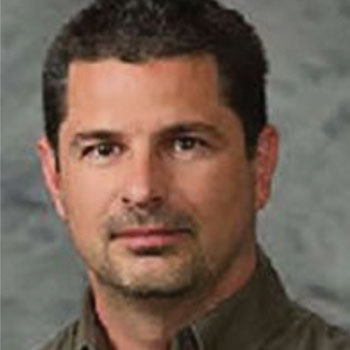
Brian Kelley, Ph.D.
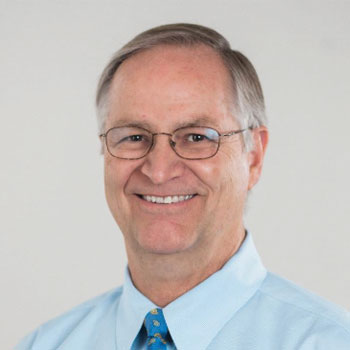
Lon Lynn, D.O.
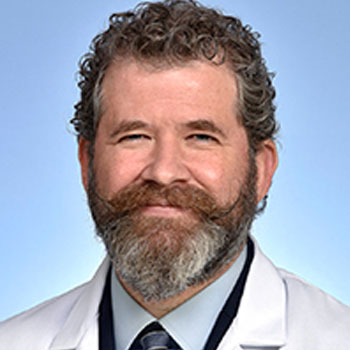
James Berry, D.O.

Shannae Anderson, Ph.D.
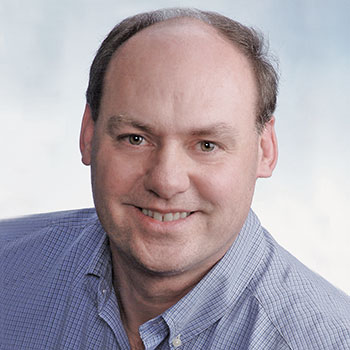
Kevin Ellers, D.Min.
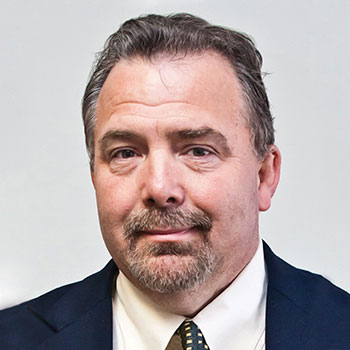
Gary Sibcy, Ph.D.

James Young, D.O.
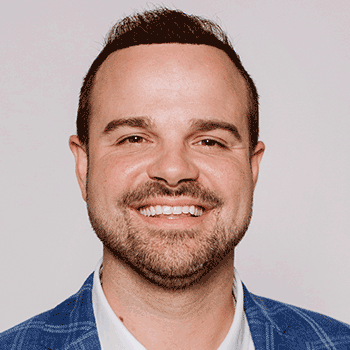
Zach Clinton, Ph.D.
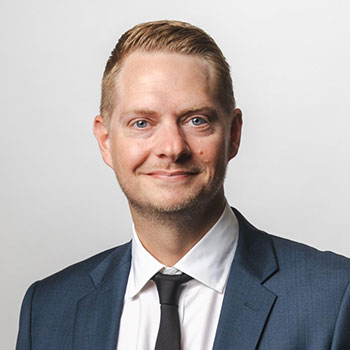
Jason VanRuler, M.A.
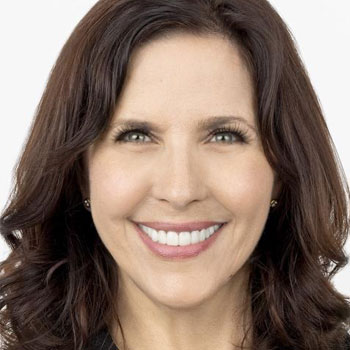
Jennifer Wortham, Dr.PH.

Everett L. Worthington, Ph.D.
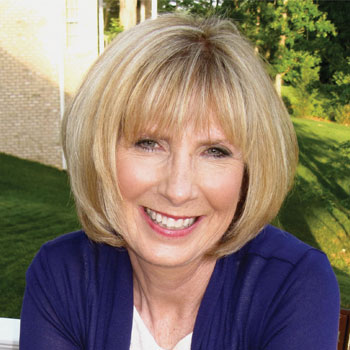
Linda Mintle, Ph.D.
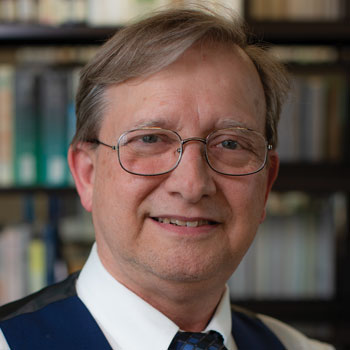
E. John Kuhnley, M.D.
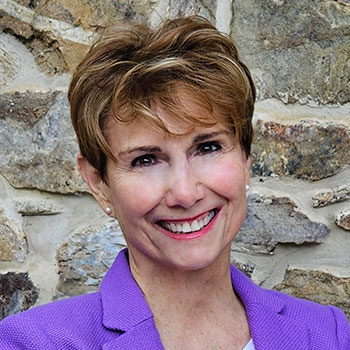
Georgia Shaffer, M.A.
FREQUENTLY ASKED QUESTIONS.
What is Brain Health and Neuroscience Coaching?
Brain Health and Neuroscience Coaching is a specialized, non-clinical approach to supporting mental, emotional, and cognitive well-being through an understanding of how the brain functions and adapts. Coaches are trained to apply evidence-informed neuroscience principles alongside biblically grounded coaching strategies to help clients improve emotional regulation, thinking patterns, resilience, and overall brain health.
This training does not prepare individuals to diagnose or treat mental health conditions. Instead, it equips Christian coaches and counselors with practical tools to support growth, behavioral change, and healthy habits that strengthen the brain’s ability to function well over time.
Coaches may work in ministry settings, coaching practices, wellness programs, or alongside licensed professionals to provide informed, faith-integrated support for individuals seeking personal growth and emotional wellness.
Who Makes a Good Candidate for a Brain Health and Neuroscience Coach?
A good candidate for this certification is someone who desires to help others grow mentally, emotionally, and spiritually using science-informed, faith-centered coaching strategies. This program is ideal for Christian coaches, counselors, ministry leaders, wellness professionals, and individuals in people-helping roles.
Many participants already serve in coaching, pastoral care, education, health, or ministry settings. Others are seeking to expand their skillset with neuroscience-based tools that strengthen client outcomes.
You do not need to be a licensed clinician. What matters most is a willingness to learn, a heart for service, and a commitment to ethical, biblically grounded coaching practices.
What is the Role of a Brain Health and Neuroscience Coach?
A Brain Health and Neuroscience Coach helps clients understand how the brain influences emotions, behavior, habits, and growth. Coaches guide individuals toward healthier thinking patterns, improved emotional regulation, stronger resilience, and better daily functioning.
Using structured coaching conversations and neuroscience-informed strategies, coaches support areas such as stress management, cognitive performance, emotional wellness, habit formation, and personal growth.
This role is non-clinical and does not involve diagnosing or treating mental health conditions. Coaches remain within a defined scope of practice while helping clients build practical skills that support long-term brain and emotional health.
What is the Total Cost of the Program?
Thanks to a special scholarship opportunity, the Brain Health and Neuroscience Coaching Certification Program is available for a reduced tuition rate, plus a technology fee.
Flexible payment options may be available through Affirm, allowing you to spread the cost over time. Payment plans may require a credit check and are subject to eligibility. You can review available options at checkout.
How Long Does the Course Take?
The Brain Health and Neuroscience Coaching Certification Program includes approximately 24 hours of self-paced, online training. You can complete the course on your own schedule, with up to one full year from your enrollment date to finish.
Some students complete the program in a few weeks, while others spread it out over several months based on their availability. The flexible format is designed to fit your life, work, and ministry commitments.
Upon completion, you will meet the educational requirements to apply for certification through the International Board of Christian Care (IBCC).
How Long Do I Have Access to the Course?
When you enroll in the Brain Health and Neuroscience Coaching Certification Program, you receive full access to the course for one full year from your registration date.
This allows you to complete the training at your own pace. All videos, materials, and resources remain available during that time.
If your access expires before you finish, you may extend your access for an additional year by paying a technology fee.
How Do I Become Certified?
After completing the Brain Health and Neuroscience Coaching Certification Program, you will meet the educational requirements to apply for certification as a Certified Brain Health Coach through the International Board of Christian Care (IBCC).
While certification is not legally required to practice coaching, it is strongly recommended for those who want to coach with credibility, confidence, and professional standards. Certification demonstrates that you are well-trained, biblically grounded, and committed to ethical, whole-person coaching.
Final certification requirements are determined by IBCC and may be updated. Completing this program ensures you are on the correct educational pathway toward certification.
Do I Need Any Experience or Training Before Enrolling?
No prior experience or formal training is required to enroll in the Brain Health and Neuroscience Coaching Certification Program. However, some foundational training in life coaching or mental health coaching is recommended for those who want to maximize the practical application of the material.
This course is designed for Christian coaches, counselors, ministry leaders, wellness professionals, and individuals who feel called to support others using neuroscience-informed, faith-based coaching strategies.
Whether you are new to coaching or already serving in a people-helping role, this program will equip you with practical, evidence-informed tools you can apply ethically and effectively.
Will I Receive a Diploma or Certificate When I Finish?
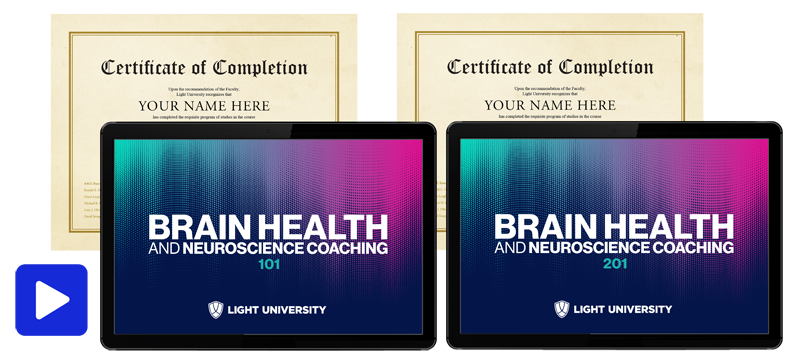
Upon successful completion, you will receive a certificate of completion for each course through your Light University TalentLMS account. These certificates are suitable for printing, adding to your résumé, and sharing on professional platforms such as LinkedIn.
This is a specialization program through Light University, not a standalone academic degree program. Individuals who complete the full Mental Health Coaching Program may receive a Master Diploma in Mental Health Coaching with a specialization in Brain Health and Neuroscience Coaching.
Do I Receive Continuing Education (CE) Credit for This Course?
The Brain Health and Neuroscience Coaching Certification Program provides 24 training hours that may be applied toward continuing education requirements for coaches, including those pursuing credentialing through the International Board of Christian Care (IBCC).
However, this program is not approved for NBCC continuing education credit and does not qualify for CE credit toward mental health licensure renewal. Participants should confirm eligibility with their specific credentialing or professional organization.