

Become a Certified Mental Health Coach
Claim your scholarship today. Most scholarship decisions are approved within 48 hours.
Led by Mental Health & Ministry Experts
42+ Hours of Mental Health Coach Training
On-Demand Learning (24/7/365 Access)
Educational Pathway to IBCC Certification
What You’ll Be Equipped to Do
Know What to Say When Someone Is Hurting
If you feel God drawing you toward caring for people who are hurting, you do not have to rely on guesswork. This training equips you with a simple, repeatable way to support people through hard moments and guide them toward hope, stability, and next steps.
Understand Common Mental Health Struggles People Bring to You
You will learn how to better understand what people are facing, from addiction and depression to trauma, grief, eating disorders, and mood disorders, and how these struggles often connect to each other, including the role faith and spiritual care can play in the healing process.
Learn the Core Skills That Make Mental Health Coaching Effective
You will learn what mental health coaching is, how it works in everyday life, and how to start using a simple, practical approach that brings clarity, hope, and direction to people who need help.
See What’s Included:
Course 1 - Foundations of Mental Health Coaching
| C-MHC 101: Foundations of Mental Health Coaching | Presenter |
| Unit 1: Introduction | |
| Introduction to Mental Health Coaching | Matthew Stanford, Ph.D. |
| The Role of the Mental Health Coach in the Church | Matthew Stanford, Ph.D. |
| Unit 2: Faith and Spirituality | |
| The Effective People Helper | Ian Jones, Ph.D., Ph.D. |
| Bringing People into God’s Presence | Ron Hawkins, Ed.D., D.Min. |
| Spirituality and Counseling | Ian Jones, Ph.D., Ph.D. |
| Unit 3. Ethics and Coaching Responsibilities | |
| Professional Ethics in Mental Health Coaching | Matthew Stanford, Ph.D. |
| Boundaries and Violations I | Jared Pingleton, Psy.D. |
| Boundaries and Violations II | Jared Pingleton, Psy.D. |
| When Helping You is Hurting Me | Ron Hawkins, Ed.D., D.Min. |
| The Successful Coach: Managing Time and Staying Organized | Sandra Dopf, B.S. |
| Unit 4. Crisis Intervention | |
| Trauma and Abuse | Diane Langberg, Ph.D. |
| Best Practices for Trauma and Crisis Response: Part I | Jennifer Ellers, M.A. |
| Best Practices for Trauma and Crisis Response: Part II | Jennifer Ellers, M.A. |
| The Crisis of Suicide | Jennifer Ellers, M.A. |
| Conducting a Suicide Intervention | Gary Sibcy, Ph.D. |
Course 2 - Mental Health Coaching Skills
| C-MHC 201: Mental Health Coaching Skills | Presenter |
| Unit 1: Coaching Skills | |
| Successful Coaching: What Makes it Unique and Essential Skills | Georgia Shaffer, M.A. |
| Creating a Safe Place: Listening, Empathy, and Winning Trust | John Thomas, Ph.D. |
| Relationships and Communication: Core Coaching Skills | Catherine Hart Weber, Ph.D. |
| Helping Others Find Significance in Life | Jared Pingleton, Psy.D. |
| The Power of Encouragement: A Key to Hope Coaching | John Thomas, Ph.D. |
| Getting Unstuck: The Road to Healing and Recovery | David Jenkins, Psy.D. |
| The Incredible Power of Intentional Listening | Eric Scalise, Ph.D. and Ken Nichols, Psy.D. |
| Understanding Our Differences: Personalities and Coping | W. Jesse Gill, Psy.D. |
| How to Help People Change | Gary Sibcy, Ph.D. |
| Doing Brief, Solution-focused Counseling for Christ | Jared Pingleton, Psy.D. |
| A Better Way: Helping Clients Turn Their Life Around | Tim Clinton, Ed.D., D.Min. |
| Unit 2: Small Groups | |
| Dynamic Small Groups and Spiritual Care Teams | Elias Moitinho, Ph.D. |
| Change and Restoration: The Healing Power of Small Groups | Tim Clinton, Ed.D., D.Min. |
| Types of Groups: An Overview for a Dynamic Ministry | Jennifer Ellers, M.A., David Jenkins, Psy.D., and Eric Scalise, Ph.D. |
Course 3 - Mental and Behavioral Health Disorders
| C-MHC 301: Mental and Behavioral Health Disorders | Presenter |
| Unit 1: Addictions | |
| Models of Addiction | David Jenkins, Psy.D. |
| Helping Others with Alcohol, Substance Abuse, and Addiction Problems | David Jenkins, Psy.D. |
| Dual Diagnosis and Comorbidity | Gary Sibcy, Ph.D. |
| Opioids and Addiction: An Alarming Tsunami | Michael Lyles, M.D. |
| Unit 2: Mental Health Difficulties and Disorders | |
| Mental Illness & Character Disorders | Matthew Stanford, Ph.D. |
| Depression, Mood Disorders and Suicide | Gregory Jantz, Ph.D. |
| Stress and Anxiety: Overcoming Fear, Phobias, and Panic Disorders | Shannon Wolf, Ph.D. |
| Bipolar and Spectrum Mood Disorders | Paul Meier, M.D. |
| Eating Disorders: Diagnosis, Treatment and Referral | Gregory Jantz, Ph.D. |
| Grief, Loss, and Complicated Grief | H. Norman Wright, M.A. |
| PTSD and Complex Trauma | Heather Gingrich, Ph.D. |
| Psychiatric Care and Medication | Paul Meier, M.D. |
| Psychotropic Medication: It’s a Matter of Trust | Curt Thompson, M.D. |
A Real Story From the Front Lines of Ministry
Watch how a pastor and coaches are applying mental health coaching in everyday conversations and building a stronger culture of care in their church.
Becoming a Certified Mental Health Coach is easy as 1, 2, 3…

1. Get the Scholarship

2. Complete the Courses

3. Start Helping Others!
“Without question, this training will be one of the most, if not the most, significant projects we have ever done in the history of the AACC. We need an army of helpers in the local church to help save the next generation—those whom God has given natural gifts and talents to offer help, hope, and guidance to parents and caregivers!”
People Are Hurting, and You Do Not Have to Be a Professional to Make a Difference.
Many people are stepping into conversations they never expected, with friends, family members, coworkers, neighbors, and church members carrying anxiety, depression, trauma, addiction, and grief.
What you are seeing in your relationships and community
- A friend overwhelmed by anxiety, panic, or constant stress
- A loved one slipping into depression, isolation, or hopelessness
- Trauma and grief that keep resurfacing and feel hard to move through
- Addiction and destructive patterns that strain families and relationships
- Crisis moments that leave you unsure what to say or do next
What you are feeling as you try to support someone
- Pressure to say the right thing and not make it worse
- Not knowing what questions to ask or where to begin
- Wanting practical next steps, not just encouragement
- Feeling emotionally drained while carrying someone else’s pain
- Wishing you had a clear approach you can use when it counts
People who are struggling need more than good intentions, and you should not have to guess what to say or do next.
God equips ordinary people to make an extraordinary difference—and this program gives you a clear, practical way to support someone with compassion, confidence, and hope.
Learn how to:
Mental Health Coach Leadership, Staff and Trainers

Matthew Stanford, Ph.D.
Executive Director
Matthew S. Stanford, Ph.D., is CEO of The Hope and Healing Center & Institute (HHCI) in Houston, Texas, and adjunct professor in the Menninger Department of Psychiatry and Behavioral Sciences at Baylor College of Medicine and the Department of Psychology at the University of Houston. His research on the interplay between psychology and issues of faith has been featured by the New York Times, USA Today, Fox, MSNBC, Yahoo, and U.S. News & World Report. Dr. Stanford is a fellow of the Association for Psychological Science. As director of HHCI, he writes, conducts training seminars, and serves individuals living with mental illness and their families. He is the author of two books, Grace for the Afflicted: A Clinical and Biblical Perspective on Mental Illness and The Biology of Sin: Grace, Hope and Healing for Those Who Feel Trapped.
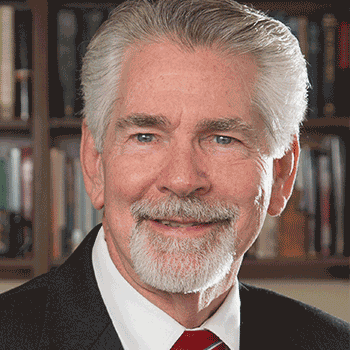
Ron Hawkins, Ed.D., D.Min.
Academic Dean and Program Director
Dr. Ron Hawkins (Ed.D., Virginia Polytechnic Institute and State University and D.Min., Westminster Theological Seminary) is a licensed professional counselor and serves as Chair of the Executive Board for the American Association of Christian Counselors. A distinguished voice in Christian Mental Health Care, he has written numerous books and served for nearly 40 years in administration and leadership roles including Provost and Chief Academic Officer, founding Dean of the School of Behavioral Sciences, and Professor of Counseling and Practical Theology at Liberty University and Liberty Baptist Theological Seminary.

Tim Clinton, Ed.D., LPC, LMFT
President, AACC
Tim Clinton, Ed.D, LPC, LMFT, is the President of the American Association of Christian Counselors (AACC), the largest and most diverse Christian counseling association in the world. Dr. Clinton also serves as the Executive Director of the James Dobson Family Institute and recurring co-host of “Dr. James Dobson’s Family Talk”, heard on nearly 1,300 radio outlets daily. Licensed as a Professional Counselor and as a Marriage and Family Therapist, Dr. Clinton is recognized as a world leader in mental health and relationship issues and spends much of his time working with Christian leaders and professional athletes. He has authored or edited nearly 30 books, including The Struggle is Real: How to Care for Mental and Relational Health Needs in the Church.
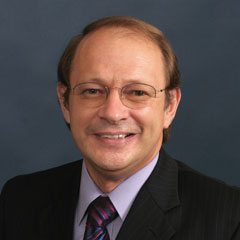
Ian Jones, Ph.D., Ph.D.
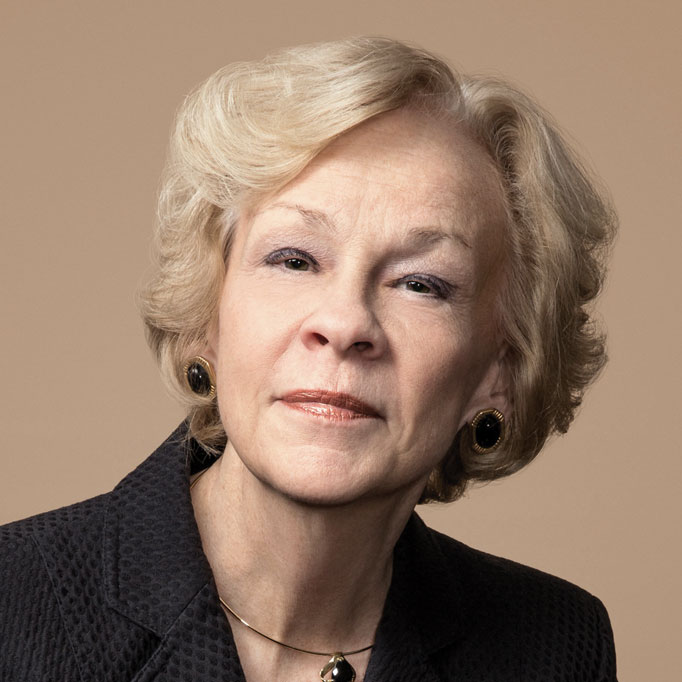
Diane Langberg, Ph.D.

Jennifer Ellers, M.A.
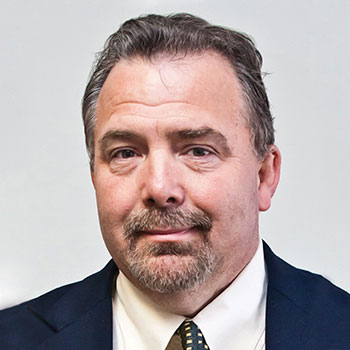
Gary Sibcy, Ph.D.
Georgia Shaffer, M.A.
John Thomas, Ph.D.
Catherine Hart Weber, Ph.D.
David Jenkins, Psy.D.
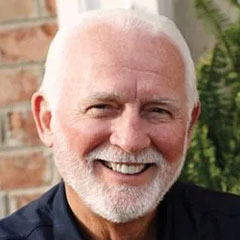
Ken Nichols, Psy.D.
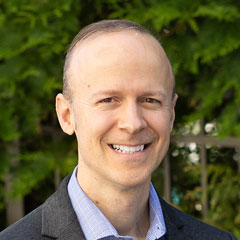
W. Jesse Gill, Psy.D.
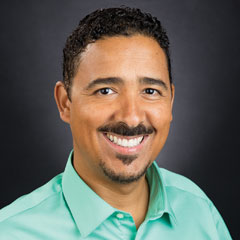
Elias Moitinho, Ph.D.
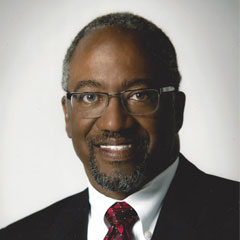
Michael Lyles, M.D.
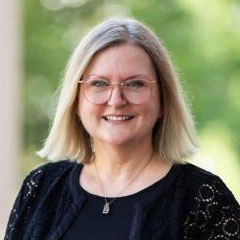
Shannon Wolf, Ph.D.
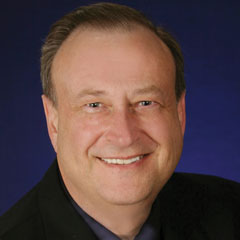
Paul Meier, M.D.
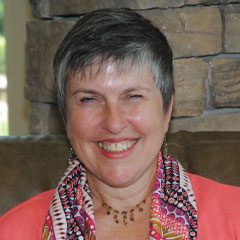
Heather Gingrich, Ph.D.

Curt Thompson, M.D.
Frequently Asked Questions
What is a Mental Health Coach?
A Mental Health Coach is a trained, non-clinical support person who helps individuals navigate common mental health struggles and move toward healthier, more stable patterns of life. Mental health coaches use practical coaching strategies and biblically grounded care to help people set goals, build strengths, and take meaningful next steps.
This training does not prepare individuals to diagnose or provide clinical treatment. Instead, it equips everyday people, ministry leaders, and coaches with a clear, practical approach to support someone through challenges like anxiety, depression, trauma, grief, addiction, and relationship stress.
Mental Health Coaches may serve in churches, schools, nonprofits, coaching practices, or community settings, coming alongside people with compassion, wisdom, and hope while encouraging appropriate support and resources when needed.
Who Makes a Good Candidate for a Mental Health Coach?
A good candidate for this certification is someone who wants to support others as they grow mentally, emotionally, and spiritually using practical, faith-integrated coaching strategies.
This program is a strong fit for Christian coaches, ministry leaders, small group leaders, pastoral care teams, educators, wellness professionals, and anyone who is often the person others turn to when life gets heavy. Some participants come in with years of experience in people-centered roles, while others are simply ready to be better equipped to help friends and family with confidence and care.
You do not need to be a licensed clinician. What matters most is a willingness to learn, a heart to serve, and a commitment to bringing steady, biblically grounded support to others.
What is the Role of a Mental Health Coach?
A Mental Health Coach supports individuals as they work through mental and emotional challenges and move toward greater stability, hope, and healthy change. Coaches help people identify patterns, build strengths, set goals, and take practical next steps that support growth and day-to-day functioning.
Using structured coaching conversations and evidence-informed, faith-integrated strategies, coaches support areas such as emotional regulation, stress and anxiety, relationships, grief and loss, trauma recovery support, and building healthy habits.
This role is non-clinical and does not involve diagnosing or providing treatment. Instead, mental health coaches offer steady support, practical tools, and encouragement, and they help connect people to appropriate resources when additional care is needed.
What is the Total Cost of the Program?
Thanks to a special scholarship opportunity, the Mental Health Coach Certification Program is available as a full scholarship, plus a $69 technology fee.
Flexible payment options may be available through Affirm, allowing you to spread the cost over time. Payment plans may require a credit check and are subject to eligibility. You can review available options at checkout.
How Long Does the Course Take?
The Mental Health Coach Certification Program includes approximately 42 hours of self-paced, online training. You can complete the course on your own schedule, with up to one full year from your enrollment date to finish.
Some students complete the program in a few weeks, while others spread it out over several months based on their availability. The flexible format is designed to fit your life, work, and ministry commitments.
If you do not finish within the one-year time frame, you can extend your access for an additional year for the $69 technology fee.
Upon completion, you will meet the educational requirements for this certification pathway.
How Long Do I Have Access to the Course?
When you enroll in the Mental Health Coach Certification Program, you receive full access to the course for one full year from your registration date.
This allows you to complete the training at your own pace. All videos, materials, and resources remain available during that time.
If your access expires before you finish, you may extend your access for an additional year by paying the $69 technology fee.
How Do I Become Certified?
After completing the Mental Health Coach Certification Program, you will meet the educational requirements to apply for certification as a Certified Mental Health Coach through the International Board of Christian Care (IBCC).
While certification is not legally required to practice coaching, it is strongly recommended for those who want to coach with credibility, confidence, and professional standards. Certification demonstrates that you are well-trained, biblically grounded, and committed to ethical, whole-person coaching.
Final certification requirements are determined by IBCC and may be updated. Completing this program ensures you are on the correct educational pathway toward certification.
Click here to learn more about certification requirements and the application process.
Do I Need Any Experience or Training Before Enrolling?
No prior experience or formal training is required to enroll in the Mental Health Coach Certification Program. This training is designed to meet you where you are and give you a clear, practical foundation.
This course is a great fit for Christian coaches, ministry leaders, small group leaders, parents, educators, wellness professionals, and anyone who wants to better support people who are struggling.
Whether you are new to coaching or already walking with others in a support role, this program will equip you with practical, faith-integrated tools you can use with confidence.
Will I Receive a Diploma or Certificate When I Finish?
Upon successful completion, you will receive a certificate of completion for each course through your Light University TalentLMS account. These certificates are suitable for printing, adding to your résumé, and sharing on professional platforms such as LinkedIn.
After completing this program, you will be eligible to receive a Diploma in Mental Health Coaching. You will also be eligible to pursue additional specializations in Mental Health Coaching topics such as Brain Health, Trauma, Grief, Sexual Addiction, and more.
Do I Receive Continuing Education (CE) Credit for This Course?
The Mental Health Coach Certification Program provides 42 training hours that may be applied toward continuing education requirements for coaches, including those pursuing credentialing through the International Board of Christian Care (IBCC).
However, this program is not approved for NBCC continuing education credit and does not qualify for CE credit toward mental health licensure renewal. Participants should confirm eligibility with their specific credentialing or professional organization.
