
Faithfully Serve
Those Who Serve Us
This 24-hour certification program equips you to support the mental, emotional, and spiritual well-being of active duty military, veterans, first responders, and their families through biblically grounded and evidence-informed coaching strategies.
The deadline to apply for a Military and First Responder Mental Health
Coach Scholarship is March 31, 2026!
Our Heroes Deserve More Than Generic Support
Active duty military, veterans, first responders, and their families face unique challenges—combat stress, trauma, moral injury, and spiritual fatigue. Yet too often, the care they receive doesn’t reflect the depth of their sacrifice or the strength of their values.
They Deserve
Faith-Based,
Evidence-Informed Care
This certification program equips you to offer the kind of support that honors the service of active duty military, veterans, first responders, and their families by combining biblical wisdom with best-practice coaching strategies. They fight for us—it’s time we show up for them.
Expert Military Mental Health and Coaching Instructors
24+ Hours of Military-Informed Coach Training
24 Continuing Education Credits
Educational Pathway to IBCC Certification
We’re Here to Help You Support Those Who Serve
01
Faith-Based, Trauma-Informed Training
Faith-Based, Trauma-Informed Training
Learn how to coach through a biblical lens while understanding the mental, emotional, and spiritual challenges faced by active duty military, veterans, first responders, and their families. This training equips you to serve with both compassion and cultural awareness.
02
Coaching Skills That Honor Those Who Serve
Coaching Skills That Honor Those Who Serve
Gain practical coaching tools you can use right away—while learning how to respect military and first responder culture through your language, presence, and care. Build trust, ask wise questions, and support real growth with skill and sensitivity.
03
Self-Paced & Scholarship Accessible
Self-Paced & Scholarship Accessible
Complete the course on your own schedule, and apply for a scholarship to reduce tuition. Ministry-minded and fully online.
What You’ll Learn
Understand Trauma & PTSD in Service Populations
Learn how military combat, frontline emergencies, and repeated exposure to crisis impact mental and emotional health—so you can recognize signs of trauma and respond with empathy, not assumption.
Coach Through Moral Injury, Shame & Spiritual Crisis
Discover how to walk with those wrestling with guilt, grief, or a loss of purpose—using biblically grounded coaching strategies that create space for redemption, healing, and hope.
Support Families in Transition & Recovery
Equip spouses, parents, and children of veterans and first responders with tools to navigate stress, rebuild relationships, and foster resilience through every season of service.
Military and First Responder Coaching Certification Program Scholarship Application
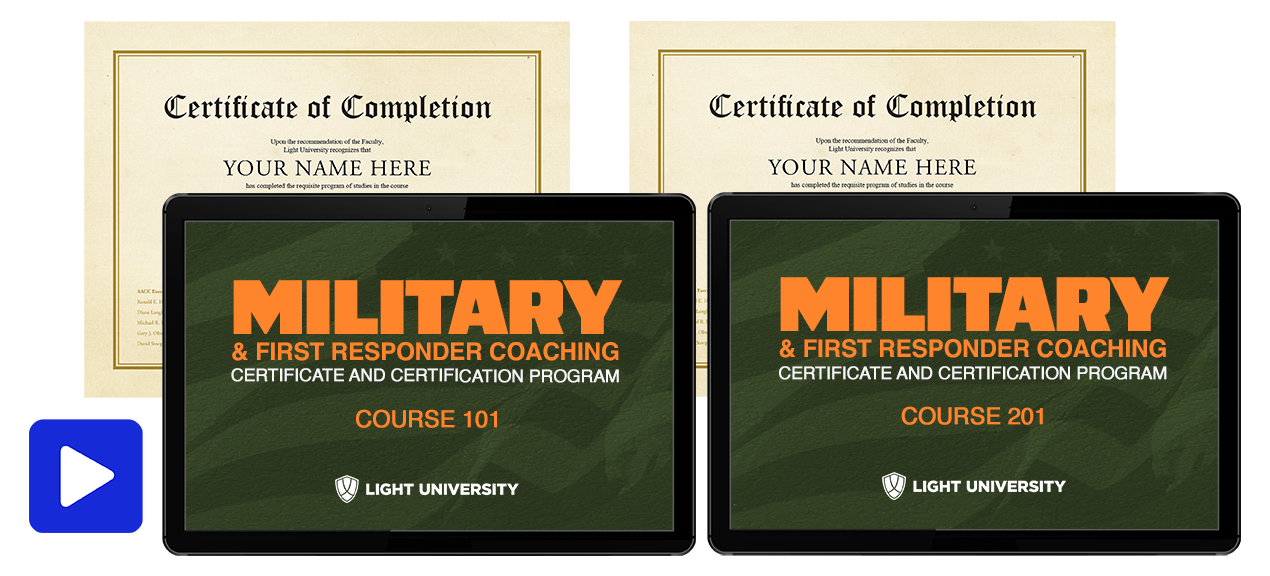
$46
with Scholarship
(Regular Tuition $598)
Includes:
✅
Military and First Responder Coaching 101
✅
Military and First Responder Coaching 201
The deadline to apply for a Military First Responder Coaching Scholarship is March 31, 2026!
Military and First Responder Coaching 101
Course Summary:
This foundational course introduces mental health coaches to the unique mental health challenges and cultural dynamics of military personnel, first responders, and their families. Through targeted instruction on the psychological impact of service, trauma, and high-risk roles, participants will develop a deep understanding of the populations they serve. Lessons explore the core stressors affecting each branch of the military and frontline emergency services, as well as the family experience, combat psychology, and the basic effects of trauma on the brain. The course equips coaches to listen with insight, respond appropriately, and support individuals within their professional scope.
Learning Objectives
Participants will…
- Identify the primary mental health challenges faced by military service members, first responders, and their families.
- Describe key psychological and cultural characteristics of each military branch and frontline profession.
- Recognize the signs and effects of trauma, stress, and burnout specific to high-intensity service roles.
- Explain the psychological impact of combat and operational stress on individuals and families.
- Understand the coach’s role in supporting mental health needs while knowing when to refer to clinical professionals.
- Apply competent coaching approaches to support emotional resilience and well-being in service related populations.
Lesson Titles:
MFRC 101: The Mental Health Needs of Service Members and First Responders
Instructor: Tim Murphy, Ph.D.
MFRC 102: Understanding PTSD and Use of the PCL-5
Instructor: Tim Murphy, Ph.D.
MFRC 103: Cultural and Psychological Insights into the U.S. Army
Instructor: Tim Murphy, Ph.D.
MFRC 104: Mental Health Coaching for Sea Services: Navy, Coast Guard, Merchant Marine
Instructor: Tim Murphy, Ph.D.
MFRC 105: Working with the Marine Corps and Their Families
Instructor: Tim Murphy, Ph.D.
MFRC 106: Mental Health Considerations in the Air Force and Space Force
Instructor: Tim Murphy, Ph.D.
MFRC 107: Working with Law Enforcement and Police Personnel
Instructor: Tim Murphy, Ph.D.
MFRC 108: Supporting Firefighters, EMS Personnel, and Dispatchers
Instructor: Tim Murphy, Ph.D.
MFRC 109: The Psychology of Combat and Its Mental Health Impact
Instructor: Lt. Col. Dave Grossman
MFRC 110: Families and the Combat/Military/First Responder Experience
Instructors: Tim Murphy, Ph.D. and Lt. Col. Dave Grossman
MFRC 111: Understanding and Navigating Veterans Benefits
Instructor: Tim Murphy, Ph.D.
MFRC 112: The Effects of Stress and Trauma on the Brain
Instructor: Tim Murphy, Ph.D.
Military and First Responder Coaching 201
Course Summary:
This advanced course builds on the foundations of MFRC 101, deepening coaches’ understanding of trauma, recovery, and resilience among military and first responder populations. Coaches will explore the mental health impact of sleep deprivation, moral injury, spiritual distress, and traumatic brain injury, and will gain an overview of commonly used evidence-based approaches in clinical care. The course also emphasizes whole-person recovery through nutrition, fitness, community, faith, and purpose. Case studies and applied strategies help coaches navigate complex emotional challenges while staying grounded in a coaching framework.
Learning Objectives
Participants will…
- Recognize advanced mental health issues affecting service members and first responders, including TBI, suicide risk, and moral injury.
- Describe how trauma affects sleep, cognitive function, and emotional regulation.
- Explain the principles of resilience, resistance, and recovery and how they apply to coaching conversations.
- Understand the role of faith, values, and meaning in emotional healing and human flourishing.
- Identify when to refer individuals to licensed professionals for clinical interventions and ongoing care.
- Use coaching strategies to promote recovery-focused habits such as goal-setting, fitness, nutrition, and relational healing.
Lesson Titles:
MFRC 201: Advanced Perspectives on Traumatic Brain Injury
Instructors: Tim Murphy, Ph.D. and Geoffrey Grammer, M.D.
MFRC 202: Suicide Risk and Response in Coaching Practice
Instructor: Tim Murphy, Ph.D.
MFRC 203: Evidence-Based Therapies for PTSD: CPT, PET, and EMDR
Instructors: Tim Murphy, Ph.D. and Shannae Anderson, Ph.D.
MFRC 204: Understanding Screening Tools: PHQ-9, GAD-7, AUDIT, DAS, BDI
Instructor: Tim Murphy, Ph.D.
MFRC 205: The Mental Health Impact of Sleep Deprivation
Instructor: Tim Murphy, Ph.D.
MFRC 206: Fitness and Nutrition for Emotional and Physical Recovery
Instructor: Tim Murphy, Ph.D.
MFRC 207: Resilience: Strength, Discipline, Humility, Solitude, and Goal Setting
Instructor: Tim Murphy, Ph.D.
MFRC 208: Resistance: Courage, Endurance, Community, and Vigilance
Instructor: Tim Murphy, Ph.D.
MFRC 209: Recovery: Hope, Healing, Shame, Moral Injury, and Forgiveness
Instructors: Tim Murphy, Ph.D. and Harold Koenig, M.D.
MFRC 210: Faith, Values, and Human Flourishing for the Client and Coach
Instructors: Tim Murphy, Ph.D. and Harold Koenig, M.D.
MFRC 211: Case Study: The Apostle Paul and the Journey of Redemption
Instructor: Tim Murphy, Ph.D.
MFRC 212: The Role of Chaplains in Military and First Responder Support
Instructor: Tim Murphy, Ph.D., Chaplain (MG) Tom Solhjem, USA Retired
Expert Instructors
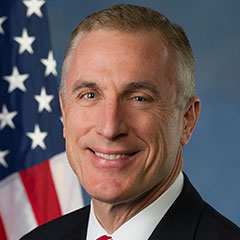
Tim Murphy, Ph.D.

Harold Koenig, M.D.
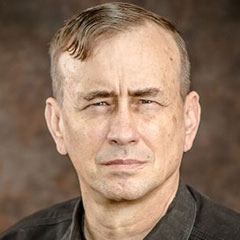
Lt. Col. Dave Grossman

Shannae Anderson, Ph.D.
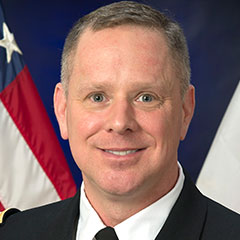
Geoffrey Grammer, M.D.
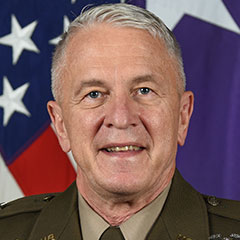
Chaplain (MG) Tom Solhjem, USA (Retired)
Frequently Asked Questions
What is Military and First Responder Coaching?
Military and First Responder Coaching is a specialized, non-clinical approach to supporting the mental, emotional, and spiritual well-being of veterans, active-duty personnel, first responders, and their families. Coaches are trained to offer faith-based, trauma-informed care within a clearly defined and ethical scope of practice. These coaches are not licensed therapists. Instead, they are equipped to help individuals manage stress, build resilience, and work through challenges related to trauma, moral injury, burnout, and life transitions. They also support families dealing with the ongoing impact of service-related experiences.
Military and First Responder Coaches use structured, biblically grounded coaching strategies that encourage personal growth and emotional health. They may work in ministry settings, peer support roles, or alongside licensed professionals to help individuals take meaningful steps toward healing and recovery. This type of coaching does not replace clinical care but can provide a valuable layer of support before, during, or after therapy. It is especially effective during seasons of transition or when ongoing care is needed beyond what clinical services can offer.
Who Makes a Good Candidate for a Military and First Responder Coach?
A good candidate for Military and First Responder Coaching is someone with a heart to serve and the humility to listen. This role is ideal for individuals who feel called to support veterans, active-duty service members, first responders, or their families—whether through church ministry, peer support, or coaching.
Many who pursue this certification have lived experience in military or frontline professions, or have family members who serve. Others come from pastoral care, chaplaincy, counseling support roles, or simply want to walk with those facing trauma, grief, stress, and life transition.
Coaches do not need to be licensed clinicians. They need to be teachable, emotionally grounded, and willing to learn how to coach ethically and effectively. The most important qualities are compassion, cultural awareness, and a commitment to offering biblically based, evidence-informed care.
What is the Role of a Military and First Responder Coach?
A Military and First Responder Coach provides non-clinical, faith-based support to veterans, active-duty service members, first responders, and their families. Their role is to help clients navigate the emotional, relational, and spiritual challenges that often come with a life of service.
These coaches use structured conversations, goal setting, and biblically grounded principles to support growth in areas such as stress management, emotional resilience, family dynamics, moral injury, and identity after service. They create a safe and respectful space for individuals to process experiences, build coping strategies, and pursue personal healing.
Military and First Responder Coaches do not diagnose mental health conditions or provide therapy. Instead, they stay within a defined scope of practice, working alongside churches, ministries, peer support networks, or clinical professionals when needed.
The coach’s role is to listen well, ask meaningful questions, and help clients move forward with clarity, purpose, and renewed strength.
What is the Total Cost of the Program?
Thanks to a special scholarship, the Military and First Responder Coaching Program is available for just $249, plus a $36 technology fee, bringing the total to $285.
Flexible payment options are available through Affirm, allowing you to spread the cost over time. Payment plans may require a credit check and are subject to eligibility. You can select this option at checkout.
How Long Does the Course Take?
The Military and First Responder Coaching Certification Program includes over 24 hours of self-paced, online training. You can complete the course on your own schedule, with up to one full year from the date of enrollment to finish.
Some students complete the course in just a few weeks, while others spread it out over several months based on their availability. The flexible format is designed to fit your life and ministry.
Upon completion, you will meet the educational requirements to apply for certification through the International Board of Christian Care (IBCC).
How Long Do I Have Access to the Course?
When you enroll in the Military and First Responder Coaching Program, you receive full access to the course for one full year from your registration date. This gives you the flexibility to complete the training at your own pace, whether in a few weeks or over several months. All videos, materials, and resources remain available during that time.
If your access expires before you finish, you can extend it for an additional year by paying a $46 technology fee.
How Do I Become Certified?
Once you complete Military and First Responder Coaching Program, you’ve met the educational requirements to apply for certification as a Military and First Responder Coach through the International Board of Christian Care (IBCC). While certification is not legally required or required to complete the course, it is strongly recommended for those who want to coach with excellence, credibility, and confidence. Certification signals that you are biblically grounded, well-trained, and committed to ethical, whole-person coaching in both faith-based and community settings.
Final certification requirements will be announced soon. In the meantime, completing both courses ensures you’re on the right path toward becoming a certified Military and First Responder Coach.
Do I Need Any Experience or Training Before Enrolling?
No prior experience or formal training is required to enroll in the Military and First Responder Coaching Certification Program. This course is designed for anyone who feels called to support veterans, first responders, or their families with greater skill, confidence, and clarity.
Whether you are a coach, pastor, chaplain, ministry leader, peer supporter, or simply someone with a heart to help, this program will equip you with biblically grounded, trauma-informed coaching strategies that are both practical and compassionate.
The training is especially valuable for those already serving in people-helping roles, but it is also accessible to those who are just getting started. You will learn how to serve ethically, stay within scope, and apply evidence-informed tools that make a lasting difference.
Will I Receive a Diploma or Certificate When I Finish?
Upon successful completion, you will receive a certificate of completion for each course, suitable for printing, in your TalentLMS account from Light University. These certificates can be downloaded, added to your résumé and professional portfolio, or shared on social media platforms such as LinkedIn or Facebook.
This is a specialization program through Light University, not a standalone diploma program. Individuals who have completed the Mental Health Coaching Program will receive a Master Diploma in Mental Health Coaching: Military and First Responder Mental Health Coaching.
Do I Receive Continuing Education (CE) Credit for This Course?
Yes. The Military and First Responder Mental Health Coaching Program provides 24 CE hours that may be applied toward continuing education requirements for coaches, including those pursuing credentialing or continuing education through the International Board of Christian Care (IBCC). Please confirm eligibility with your specific credentialing body.
This course is designed to help mental health professionals expand their understanding of the dynamics and issues faced by active-duty service members, veterans, first responders, and their families, and to apply this knowledge in client care. However, it is not approved for NBCC continuing education credit and does not qualify for CE credit toward licensure renewal for mental health professionals.
