
Become a Certified Sexual Addiction Recovery Coach
Do you feel called to help those trapped by pornography or sexual addiction? This program equips you with biblical insight and coaching skills to guide others toward hope, healing, and freedom. Click below to become a trusted guide.
The deadline to apply for a Sexual Addiction and Recovery Coaching Scholarship is March 31, 2026!
Learn from Leading Addiction and Recovery Experts
24+ Hours of Video Training
24 Coaching CE Credits
Educational Pathway to IBCC Certification
Become the Guide Someone Needs on Their Journey to Freedom
Gain the Confidence to Coach Well
When someone opens up about sexual addiction or pornography use, your response matters. This course equips you with faith-based, research-informed tools to guide others with confidence—not judgment—so they can take their first step toward lasting freedom.
Walk with Others on the Path to Freedom
Restore Marriages, Rebuild Trust, and Strengthen Families
View Full Lesson List
Sexual Addiction Recovery Coaching 101
Summary
Sexual Addiction Recovery Coaching 101 is designed to provide foundational knowledge of sexual addiction recovery with faith-based insights from leading Christian experts. Built on proven clinical and biblical principles, this course covers a wide range of topics—including understanding compulsive behaviors, the neurobiology behind addiction, attachment challenges, childhood trauma, and practical strategies for establishing sobriety. Focused on equipping non-professional counselors, coaches, pastors, and ministry leaders, this training provides the tools needed to help individuals achieve and maintain long-term recovery from sexual addiction.
Learning Objectives
Participants will…
- Identify the signs of sexual addiction, compulsive behaviors, and pornography addiction to help individuals recognize their struggles and take the first steps toward recovery.
- Explain how sexual addiction affects the brain and guide individuals in managing cravings, overcoming impulsive behaviors, and building healthier habits.
- Analyze the connection between past trauma, unhealthy attachment patterns, and sexual addiction to help individuals break free from destructive cycles.
- Assess when someone is struggling with both sexual addiction and other challenges like anxiety, depression, or substance use, and determine when to encourage additional support.
- Apply practical coaching strategies to help individuals establish sobriety, develop accountability, and build a strong foundation for long-term healing.
- Support individuals in transforming their thought patterns and renewing their mindset using principles of neuroplasticity, faith, and personal responsibility to create lasting change.
Course Lessons
SARC 101: The Fight Is On: The Problem of Sexual Addiction and the Porndemic
Jim Cress, M.A.
SARC 102: Understanding and Identifying Sexual Addiction, Compulsivity, and Pornography Addiction
Jason VanRuler, M.A.
SARC 103: Patterns of Addiction: Sexual Ruts, Toxins and Strongholds
Jim Cress, M.A.
SARC 104: Sex on the Brain: Neurobiology of Compulsive Sexual Behavior
John Thomas, Ph.D, Ph.D.
SARC 105: Emotional Regulation, Impulsivity and Sexual Addiction
Mike Vaughn, M.A.
SARC 106: False Intimacy and Attachment Difficulties: How Pornography Use and Sexual Addiction Impact Relationships
Tim Clinton, Ed.D., and Zach Clinton, M.A.
SARC 107: Sexual Addictions and Comorbidity of Substance Use and Mental Health Disorders
John Eklund, M.S.W.
SARC 108: Risky Sexual Behavior and Serious Mental Illness
Shannae Anderson, Ph.D.
SARC 109: The Link Between Childhood Trauma and Sexual Addiction
Shannae Anderson, Ph.D.
SARC 110: Female Sexual Addiction and Pornography Use
Crystal Renaud Day, MAPC
SARC 111: Transforming the Mind: Neuroplasticity and the Brain
Jim Cress, M.A.
SARC 112: The Foundations of Recovery
Jason VanRuler, M.A.
Sexual Addiction Recovery Coaching 201
Summary
Sexual Addiction Recovery Coaching 201 builds upon the foundational skills of SARC 101, equipping coaches with advanced tools to support individuals, partners, and families affected by sexual addiction. This course focuses on guiding clients through the full recovery journey—including building personalized recovery plans, navigating disclosure, restoring marriages, and promoting post-traumatic growth for betrayed partners. It also emphasizes the importance of accountability, community support, and group facilitation. Additionally, participants will gain insight into managing complex coaching dynamics, avoiding common coaching pitfalls, and promoting sexual health and integrity within churches and faith communities.
Learning Objectives
Participants will…
- Apply biblical principles of grace and restoration to guide individuals through the process of healing from sexual addiction.
- Develop personalized recovery plans that include boundaries, accountability, healthy relationships, and a structured path to restoration.
- Navigate the complex process of client disclosure and discovery, equipping individuals and couples to work through honesty, trust-building, and healing.
- Support marriages and families affected by sexual addiction, using strategies to help couples rebuild trust and assist partners in their post-traumatic growth.
- Lead effective group coaching and peer support, emphasizing accountability and shared experiences in the recovery process.
- Demonstrate advanced coaching skills, including managing transference and countertransference, recognizing coaching limitations, and maintaining ethical best practices.
- Equip faith communities with tools to promote a culture of sexual integrity, offering support systems within churches for individuals and families navigating sexual addiction recovery.
Course Lessons
SARC 201: The Paradox of Grace: Biblical Insights to Being Set Free
Zach Clinton, M.A.
SARC 202: Building a Recovery Plan: Boundaries, Accountability, Relationships and Restoration
Jason VanRuler, M.A.
SARC 203: Navigating the Client’s Discovery and Disclosure Process
Mike Vaughn, M.A.
SARC 204: Two Back to One: Healing Marriages After Porn or Betrayal
Chris Hardesty, M.A., and Elizabeth Hardesty, M.A.
SARC 205: Post Traumatic Growth for Betrayed Partners
Debbie Laaser, M.A.
SARC 206: Helping Families Heal: Support for Families of Sexual Addicts
Greg Miller, M.Div, D.Min., and Beth Miller, M.A.
SARC 207: The Role of Community in Healing: Accountability and Peer Support
Greg Miller, M.Div, D.Min., and Beth Miller, M.A.
SARC 208: Advanced Skills and Techniques for Sexual Addiction Recovery Coaching
Jason VanRuler, M.A, and Mike Vaughn, M.A.
SARC 209: Effective Skills for Leading and Facilitating Groups
Jason VanRuler, M.A, and Mike Vaughn, M.A.
SARC 210: Managing Transference and Countertransference
Shannae Anderson, Ph.D.
SARC 211: Building Confidence and Competency: What to Do and What Not to Do
Mercy Connors, Ph.D.
SARC 212: The Sexually Healthy Church
Joshua Broome
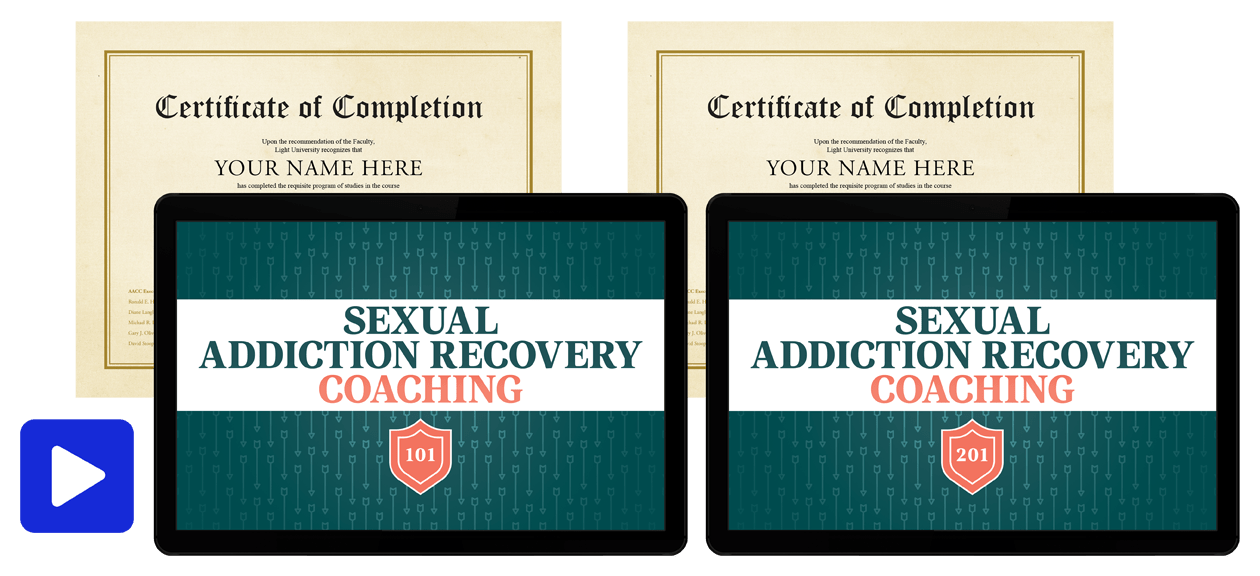
$199
with Scholarship
Plus a $46 Technology and Support Fee
added at checkout
(Regular Tuition $1,600)
Includes:
✅
Sexual Addiction and Recovery Coaching 101
✅
Sexual Addiction and Recovery Coaching 201
The Scholarship Deadline is March 31, 2026!
Course Speakers

Tim Clinton, Ed.D.
President, AACC

Jason VanRuler, M.A., CSAT
Certified Sex Addiction Therapist
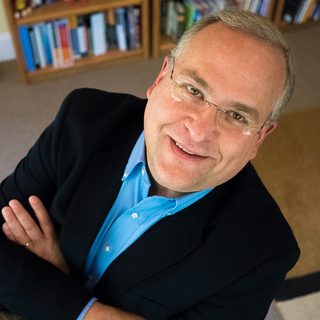
Jim Cress, M.A., CSAT
Founder, Integrity Redeemed
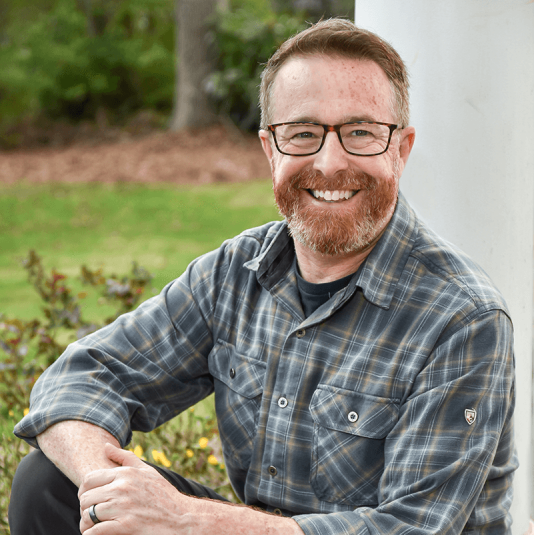
Mike Vaughn, M.A., CSAT
Executive Director, Bethesda Workshops

Crystal Renaud Day, MAPC
Founder, Living on Purpose Coaching & Pastoral Counseling

Greg Miller, M.Div, D.Min.
Director of the Men’s Journey Workshops, Faithful & True Ministries

Beth Miller, M.A.
Director of the Women’s Journey Workshops, Faithful & True Ministries

Mercy Connors, Ph.D.
Director of Counseling, AACC

Shannae Anderson, Ph.D.
Director of Psychology, AACC

Joshua Broome
Executive Director, Walk Worthy | AACC

Zach Clinton, Ph.D.
Vice President, AACC
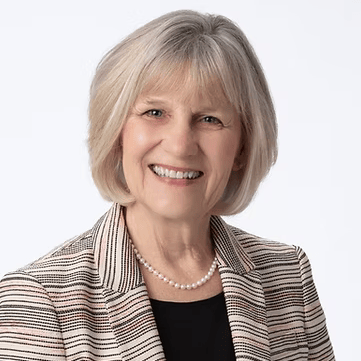
Debbie Laaser, M.A.
Co-Founder, Faithful & True Ministries
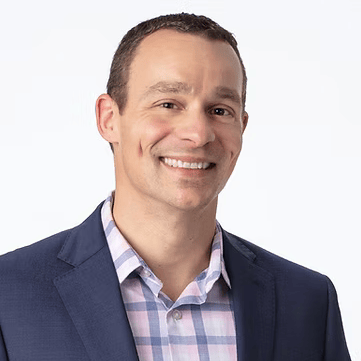
Chris Hardesty, M.A., CSAT
Director of Men's Groups, Faithful & True
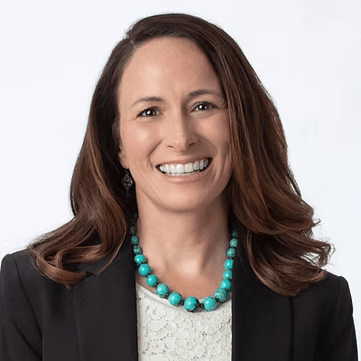
Elizabeth Hardesty, M.A., CCPS
Director of Women's Groups, Faithful & True
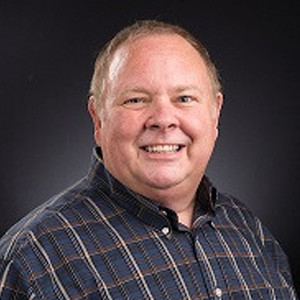
John Thomas, Ph.D., Ph.D.
Certified Sex Addiction Therapist (CSAT)
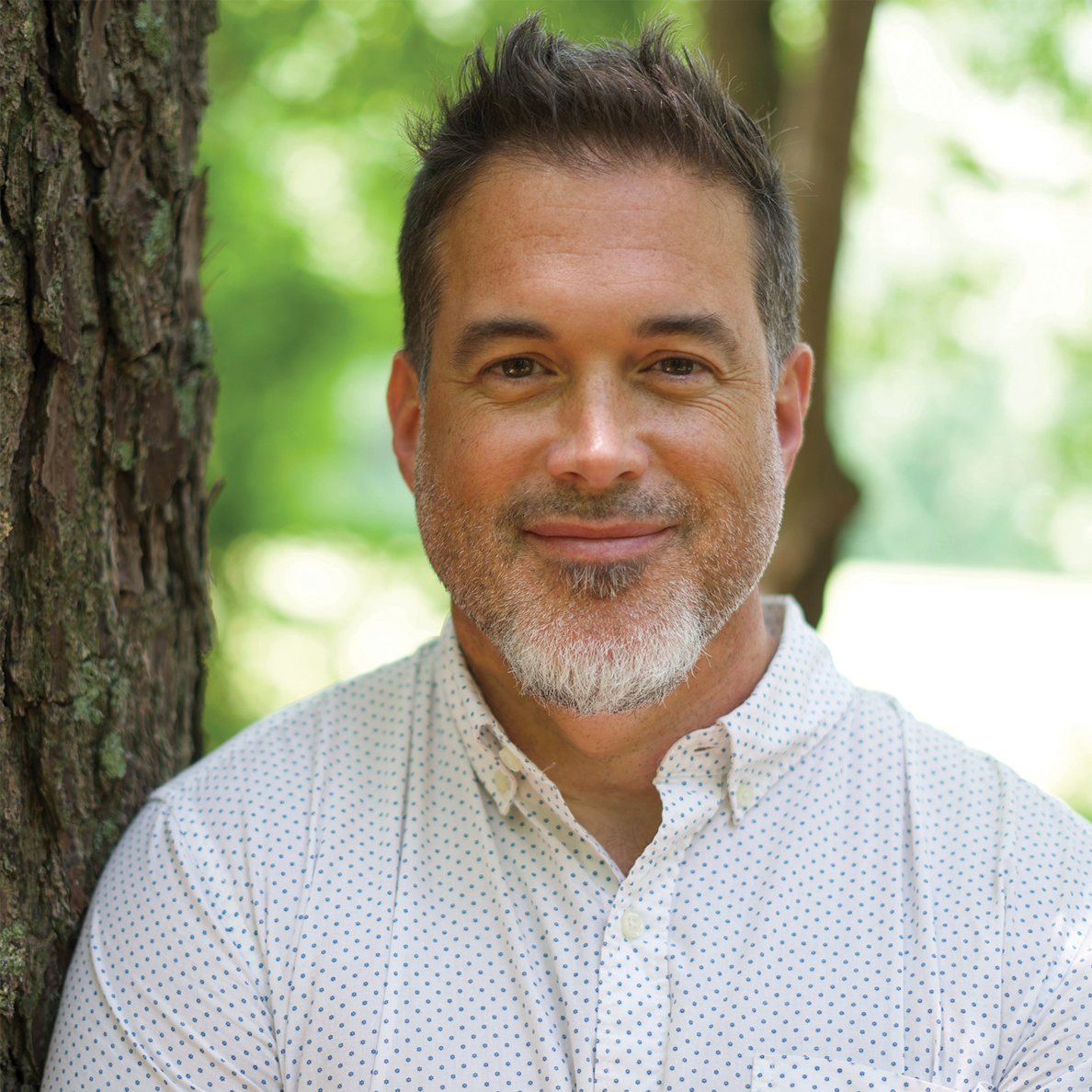
John Eklund, MSW
Founder, Recovery Alive
Frequently Asked Questions
What is Sexual Addiction Recovery Coaching?
Who Makes a Good Candidate for a Sexual Addiction Recovery Coach?
Great coaches aren’t always professionals—they’re often people with a heart to serve and a story to share. A good candidate for Sexual Addiction Recovery Coaching is someone who feels called to walk with others through their struggle, whether they have lived experience, have walked alongside someone in recovery, or simply have a deep passion to help those trapped in sexual addiction.
You don’t need to be a licensed counselor. This training is ideal for pastors, ministry leaders, lay counselors, peer mentors, and everyday believers who want to make a real difference—without pursuing professional licensing. If you’re compassionate, teachable, and ready to bring biblical hope to those who feel stuck or ashamed, this program was made for you.
What is the Role of a Sexual Addiction Recovery Coach?
A Sexual Addiction Recovery Coach walks alongside individuals struggling with pornography and sexual addiction to offer support, encouragement, and accountability. While they don’t provide clinical therapy, coaches play a powerful role outside the traditional counseling model—helping clients take practical, faith-based steps toward freedom.
Coaches guide one-on-one recovery journeys, lead support groups, and help create safe spaces within churches and ministries where people can break the silence and find real hope. Their role is grounded in compassion, biblical truth, and real-world tools that empower others to build new habits, strengthen relationships, and walk in long-term healing. Often, their presence and consistency become a key part of someone’s recovery story.
What is the Total Cost of the Program?
The regular cost of the full Sexual Addiction Recovery Coaching program is $598. However, thanks to generous supporters who believe this is one of the greatest needs facing the Church today, a scholarship opportunity is available.
Those awarded the scholarship will receive the entire program for just $235 total, which includes the discounted tuition, and a $36 technology fee. It’s a powerful opportunity to get fully equipped to help others on the path to recovery—without financial barriers standing in the way.
How Long Does the Course Take?
How Long Do I Have Access to the Course?
How Do I Become Certified?
Upon completing the course, you’ll have the opportunity to apply for a specialization certification through the International Board of Christian Care (IBCC). This certification is designed for individuals who want to incorporate Sexual Addiction Recovery Coaching into their ministry, church leadership, or coaching practice—always with the goal of helping others walk the path to recovery.
To apply to become a Certified Sexual Addiction Recovery Coach (CSARC), please click here.
What is the Difference Between SARC and CSAT?
SARC (Sexual Addiction Recovery Coaching) is a biblically grounded, non-clinical training program designed to equip everyday believers, pastors, ministry leaders, and coaches to support individuals struggling with sexual addiction. It focuses on practical recovery tools, spiritual encouragement, accountability, and emotional support—all within a coaching model.
CSAT (Certified Sexual Addiction Therapist) is a clinical credential for licensed mental health professionals who provide therapy for sexual addiction and related issues. CSATs are trained to diagnose and treat addiction, trauma, and other mental health conditions.
In short, SARC is for those called to walk alongside others in a supportive, Christ-centered role, while CSAT is for licensed therapists providing clinical treatment. Both play vital roles in the healing journey, and often work together to support lasting recovery.
Do I Receive Continuing Education (CE) Credit for This Course?
However, this program is not approved for NBCC continuing education credit and does not qualify for CE credit toward mental health licensure renewal. Participants should confirm eligibility with their specific credentialing or professional organization.
Will I Receive a Diploma or Certificate When I Finish?
This is a specialization program through Light University, not a standalone academic degree program. Individuals who complete the full Mental Health Coaching Program may receive a Master Diploma in Mental Health Coaching with a specialization in Sexual Addiction Recovery Coaching.
