
$99 Scholarship Offer. Friends and Family Deadline Extended October 31st
(Regular Tuition $2,400)
Earn Your Certificate in Addiction and Mental Health Recovery Coaching
A new era of mental health coaching is here, designed to help you recognize addiction, mental health concerns, and understand the recovery process, and come alongside people with practical, compassionate care.
AACC / Light University
Certificate endorsed by Celebrate Recovery
42+ Hours
On-demand certificate training
Recovery Focused
Addiction and healing process
Certification Pathway
Clear steps from training to completion
The Need for Recovery-Aware Mental Health Support is Closer Than You Think
Churches, recovery groups, families, and communities are carrying conversations that require more than good intentions. Everyday helpers need a practical pathway for recognizing what is happening, responding with care, and knowing when to refer.
Adults with mental illness
U.S. adults had any mental illness in the past year in 2023.
People with substance use disorder
People age 12 or older had a substance use disorder in the past year in 2023.
Adults with co-occurring need
Adults had both any mental illness and a substance use disorder in the past year.
%
Did not receive SUD treatment
Among people with a past-year SUD, many did not receive substance use treatment in 2023.
%
Recovery from substance use is possible
Adults who perceived a substance use problem considered themselves in recovery or recovered.
%
Recovery from mental health issues is possible
Adults who perceived a mental health issue considered themselves in recovery or recovered.
The middle lane
This certificate is designed for the space between “I care about you” and “I know the next wise step.” It comes from AACC / Light University, is endorsed by Celebrate Recovery, and equips helpers to come alongside people with compassion, clarity, recovery awareness, and referral wisdom.
Help people move toward hope, healing, and recovery
This certificate gives everyday helpers a practical way to support people with compassion, clarity, and wisdom when addiction and mental health struggles are part of the story.
1
Recognize what is really happening
Learn how to identify signs of addiction, trauma, depression, anxiety, and distress so you can better understand what someone may be carrying.
2
Relate with care and safety
Build a compassionate presence that helps people feel seen without rushing their pain, minimizing their story, or trying to fix everything at once.
3
Respond with wisdom
Gain practical language, next steps, boundaries, and referral awareness for moments when someone needs support beyond encouragement.
BUILT FOR ANYONE WALKING ALONGSIDE PEOPLE IN PAIN
AACC, Light University and Celebrate Recovery have partnered to equip pastors, chaplains, coaches, counselors, and small group leaders with training that connects mental health coaching skills to the realities of struggling with hurts, habits and hangups, giving you practical tools for addiction, trauma, and the recovery journey ahead.
Built for church leaders and those serving in ministry
Preview how the program connects mental health coaching skills with the realities of addiction, trauma, group leadership, spiritual care, and the recovery journey.
Understand what trauma can do
Discover how trauma can shape reactions, relationships, trust, and recovery so you can respond with greater compassion and presence.
Recognize when something needs attention
Notice warning signs that someone may need additional help and learn how to create space for honesty and appropriate next steps.
The root of the trigger
Understand triggers, patterns, and personal histories so you can slow down, stay curious, and support meaningful change.
You do not have to say the right thing
Learn how to show up without rushing answers, explaining away pain, or carrying pressure that was never yours to carry.
WITH THE RIGHT TOOLS AND TRAINING YOU CAN MAKE A MEANINGFUL IMPACT
People in recovery and ministry spaces are already carrying hurt, habit, addiction, grief, trauma, anxiety, and questions they may not know how to name. This certificate gives everyday helpers a practical way to come alongside them with care.
1
Recognize
Notice signs of addiction, mental health concerns, trauma responses, distress, and crisis moments without jumping to conclusions.
2
Relate
Come alongside people with empathy, humility, spiritual sensitivity, and a steady presence that helps them feel seen rather than fixed.
3
Respond
Use practical words, healthy boundaries, and next steps that bring steadiness to hard recovery conversations.
4
Refer
Know when to guide someone toward clinical care, pastoral care, crisis support, or recovery resources.
Three-course certificate pathway
The certificate is organized into three courses, with approximately 14 hours of training in each course. The sequence builds step by step, beginning with foundations, moving into practical coaching skills, and then applying those skills to mental health, addiction, and recovery care.
Course 1: Foundations of Celebrate Recovery and Mental Health Coaching
| Course Title | Presenter |
| The Mission and Structure of Celebrate Recovery | Pastor Johnny and Jeni Baker |
| Mental Health Coaching and the Church’s Role in the Continuum of Care | Mercy Connors, Ph.D. |
| Guilt, Shame, and Forgiveness | John Thomas, Ph.D., Ph.D. |
| God Attachment and Addiction | Zach Clinton, Ph.D. |
| Understanding the Addiction Cycle and the Hope for Change | David Jenkins, Psy.D. |
| Anxiety and Depression | Linda Mintle, Ph.D. |
| Understanding Trauma and PTSD | Shannae Anderson, Ph.D. |
| Understanding the Impact of Adverse Childhood Experiences (ACEs) | Shannae Anderson, Ph.D. |
| Dual Diagnosis and Substance Abuse | Brian Kelley, Ph.D. |
| How the Brain Heals: Neuroplasticity, Recovery, and Hope | Karl Benzio, M.D. |
| Recognizing Red Flags in Group Members | Roger Stanton, M.A. |
| Boundaries and Ethical Responsibilities | Mercy Connors, Ph.D. |
| Spiritual Care and the Danger of Bypassing | Mark Mayfield, Ph.D. |
| The 4 R’s of Mental Health Coaching | Ron Hawkins, D.Min., Ed.D. |
Course 2: Mental Health Coaching Skills
|
Course Title |
Presenter |
|
Creating Safety: How to Lead a Healthy CR Group |
Jeni Baker |
|
Listening that Heals: Practicing Empathy and Presence |
Mark Mayfield, Ph.D. |
|
Guiding Without Pushing: Using Motivational Interviewing Techniques |
Zach Clinton, Ph.D. |
|
Coaching with the Spirit: Spiritual Discernment in Conversations |
Zach Clinton, Ph.D. |
|
People Are Different: Understanding Personalities and Triggers |
Pastor Johnny Baker |
|
Helping People Move Forward: Goal Setting and Recovery Planning |
Jason VanRuler, M.A. |
|
Walking With, Not Dragging: Encouragement and Accountability |
Mac Owen |
|
Boundaries that Bless: Leading Without Losing Yourself |
Jennifer Ellers, M.A. |
|
When Conflict Shows Up: How to Respond with Grace and Strength |
Mac Owen |
|
When People Resist: Dealing with Denial and Deflection |
Shannae Anderson, Ph.D. |
|
Staying Grounded: Responding to Crisis Moments |
Rodney Holmstrom, M.S. |
|
Cheering the Journey: Celebrating Progress in Recovery |
Cheryl Luke |
|
Protecting Trust: Ethics, Confidentiality, and Referrals |
Mercy Connors, Ph.D. |
|
Leading Without Burning Out: Self-Care for CR Leaders |
Andy Petry |
Course 3: Addressing Mental Health and Behavioral Disorders
|
Course Title |
Presenter |
|
Understanding Depression and Mood Disorders |
Gary Sibcy, Ph.D. |
|
Emotional Dysregulation and Mood Instability |
Mark Mayfield, Ph.D. |
|
Recognizing Personality Disorders |
Shannae Anderson, Ph.D. |
|
Understanding Cognitive Distortions in Mental Health |
Zach Clinton, Ph.D. |
|
Recognizing Psychosis and Getting Help |
David Jenkins, Psy.D. |
|
Trauma-Informed Group Leadership & PTSD |
Jennifer Ellers, M.A. |
|
Substance Use, Opioids, and Recovery: The New Battlefront |
Brian Kelley, Ph.D. |
|
Responding to Crisis: Panic Attacks, Self-Harm, and Suicidal Ideation |
Roger Stanton, M.A. and Sarah Stanton, M.Ed. |
|
Handling Distress & Disruptive Behavior with Grace and Authority |
Shannae Anderson, Ph.D. |
|
Psychopharmacology: Understanding the Role of Medication |
Karl Benzio, M.D. |
|
Ministry of Presence in Grief and the Journey to Healing |
Rodney Holmstrom, M.S. |
|
Neurodivergence and the Brain: Coaching Strategies for ADHD, Autism, and Learning Differences |
John Kuhnley, M.D. |
|
Understanding Shutdown, Apathy, and Stuckness in Mental Health Recovery |
Jason VanRuler, M.A. |
|
Building a Mental Health-Friendly CR Ministry |
Sarah Stanton, M.Ed. |
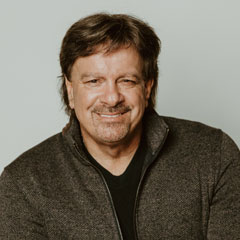
“At AACC, we believe the Church has been called to be a front line of hope and healing for a hurting world. That is why we are honored to lock arms with Celebrate Recovery in this shared mission: to equip leaders who can care for the whole person with biblical truth, clinical insight, and Christ-centered compassion. Together, we can help more people encounter the freedom, restoration, and lasting hope found in Jesus Christ.”
Dr. Tim Clinton
President, AACC
Complete your Full Tuition Scholarship Application Below
Apply below to be considered for a full tuition scholarship.
$2,400
$99
Frequently Asked Questions
What is Addiction and Mental Health Recovery Coaching?
Addiction and Mental Health Recovery Coaching is a practical, faith-integrated certificate pathway designed to equip everyday helpers to come alongside people who are facing addiction, mental health concerns, trauma, grief, stuck patterns, and the recovery process. The focus is on steady support, compassionate conversations, wise next steps, and knowing when to refer someone to additional care.
Who issues and endorses the certificate?
The certificate comes from AACC / Light University and is endorsed by Celebrate Recovery. This allows students to receive training through AACC and Light University while also connecting the pathway to Celebrate Recovery’s trusted recovery ministry context.
How is this different from the original Mental Health Coaching certificate?
This pathway keeps the core strength of mental health coaching while adding a stronger recovery lens. It brings together AACC and Celebrate Recovery to help students understand addiction, recovery, trauma, group dynamics, emotional distress, boundaries, spiritual care, and referral awareness in a way that serves churches, recovery communities, and people-centered ministries.
Who makes a good candidate for this certificate?
This program is a strong fit for Celebrate Recovery leaders, ministry leaders, Christian coaches, small group leaders, pastoral care teams, educators, wellness professionals, parents, and anyone who is often the person others turn to when life gets heavy. You do not need to be a licensed clinician. What matters most is a willingness to learn, a heart to serve, and a desire to offer biblically grounded, practical support.
Is this a replacement for Celebrate Recovery leadership training?
Celebrate Recovery remains a peer-led recovery ministry with its own leadership pathway and structure. This certificate is an additional equipping resource that can complement recovery-focused ministry by helping leaders recognize concerns, relate with compassion, respond with wisdom, and refer well when additional help is needed.
Does this make me an official Celebrate Recovery leader or Mental Health Champion?
No. Completing this certificate does not automatically qualify someone to serve in an official Celebrate Recovery role, become a Mental Health Champion, or act as a clinical mental health provider. It provides additional training and a practical framework for support within the appropriate role, church structure, and ministry guidelines.
Do I need to be a licensed counselor or therapist?
No. The program is designed for everyday helpers, ministry leaders, and recovery leaders. It does not qualify someone to diagnose, treat, or provide licensed clinical care. Instead, it equips students to offer non-clinical support, use helpful coaching conversations, and recognize when someone needs professional, pastoral, crisis, or recovery-specific resources.
What is the role of an Addiction and Mental Health Recovery Coach?
A recovery coach comes alongside people with steady, non-clinical support as they move through addiction-related struggles, emotional challenges, grief, trauma, and healthy change. Coaches learn to identify patterns, listen well, support next steps, encourage accountability, and connect people to appropriate care when the situation requires more support.
What will I be able to do after the training?
You will be better equipped to recognize what may be happening beneath the surface, relate with empathy and spiritual sensitivity, respond with practical language and healthy boundaries, and refer well when someone needs clinical care, pastoral care, crisis support, or recovery resources.
What topics are included in the course?
The course includes foundations of Celebrate Recovery and mental health coaching, addiction and the recovery process, trauma and PTSD, anxiety and depression, dual diagnosis and substance abuse, neuroplasticity and hope, red flags in group members, motivational interviewing, boundaries, crisis response, psychiatric medication myths and realities, grief, ADHD, emotional dysregulation, and building a mental health-friendly recovery ministry.
How many hours of training are included?
The certificate includes approximately 42 hours of self-paced, online training. Students can complete the course on their own schedule while working through the lessons, presenters, and course materials.
How long does the course take?
Some students complete the program in a few weeks, while others spread it out over several months depending on their availability. The flexible format is designed to fit around life, work, family, and ministry commitments.
How long do I have access to the course?
Students receive access for one full year from the date of enrollment, giving them time to complete the videos, materials, and course requirements at their own pace. If access expires before completion, extension options may be available according to the current course policy. Please review Light University’s terms of use for the most current access and extension information: LightUniversity.com/terms-of-use/
What is the total cost of the program?
The normal course price is $2400. With scholarship approval, the program is available for $99. Scholarship approval may be subject to application review and current program availability.
What does the scholarship include?
The scholarship pathway reduces the cost of the training from the normal course price to the approved scholarship price. Please see the pricing section on this page for current scholarship availability, cost, and application details.
Do I need previous addiction or recovery training before enrolling?
No prior formal addiction, recovery, counseling, or coaching training is required. The program is designed to provide a practical foundation while also serving leaders who already have experience walking with people through recovery, ministry care, or people-helping roles.
Will I receive a certificate when I finish?
Yes. Upon successful completion, students receive a certificate through AACC / Light University that is endorsed by Celebrate Recovery. The certificate can be used for personal records, ministry records, and professional development documentation.
How do I become certified?
After completing the certificate pathway, students meet the educational requirements to become a Certified Mental Health Coach through the International Board of Christian Care, IBCC. Students should review the current IBCC requirements and application process here: https://www.ibccglobal.com/credentials/board-christian-coaching
Does this course provide continuing education credit?
Yes. This course provides 42 hours of continuing education for IBCC credential holders seeking certification as a Mental Health Coach or completing continuing education requirements for a mental health coaching credential.
Students should review the current credentialing requirements for their specific IBCC credential or certification pathway to confirm how these hours apply.
Can I use this training in my church or small group?
Yes, the training is designed to help churches, small groups, recovery ministries, pastoral care teams, and people-centered communities build a more informed and compassionate culture of care. Students should always serve within their church’s leadership structure, ministry guidelines, and appropriate scope of care.
Can I share the course with my team?
Enrollment is typically intended for one student per account. Churches or ministries that want to train multiple leaders should use the final page to direct visitors to the appropriate team enrollment, group scholarship, or contact option if one is available.
