
Assemblies of God and
American Association
of Christian Counselors
Exclusive Partnership
As a member of Assemblies of God, you now have specially discounted access to the American Association of Christian Counselors resource library!

Empowering Ministers
Training programs that address spiritual abuse in the Church
Mental Health from the Pulpit
A free video and resource toolkit to help pastors and church leaders address mental health and strengthen your ministry of care.
Fill out the form below to download your free Church Mental Health Resource Toolkit, a set of practical tools that will help you equip your leaders and create a culture of care in your congregation.
The Nathan Project
Course Overview
The Nathan Project’s mission is to develop and maintain integrity in leadership and ministry. As exemplified by the story Nathan with David in the Bible, this course is designed to help train anyone in a leadership position to become aware of areas in their life that could allow for undue temptation and eventual abuse of leadership. The Nathan Project delves into the many signs and symptoms that those in leadership may exhibit when unseen negative behaviors come to the surface and ways for leaders, church leadership, and mental health professionals to come a long side the pastor or leader in order to help maintain personal and professional integrity in ministry.
Includes Eight, On-demand Video Lessons (8 Hours)
Lessons
NP 101: Leadership and Integrity: Why It Matters.
NP 102: Out of the Shadows: It’s a Matter of Character
NP 103: The Slippery Slope of Leadership: Abuse and How to Avoid It
NP 104: Common Risk Factors in Leadership
NP 105: Power and Control: Recipe for Disaster
NP 106: Power and Pulpit: Harmed by the Shepherd
NP 107: Power and Pulpit: The Road to Healing
NP 108: The High Road: Earning and Maintaining the Right to Lead
Spiritual Abuse 2.0
Course Overview
Spiritual abuse is a form of emotional and psychological abuse and is often referred to as “Church hurt,” “religious abuse” or “spiritual emotional abuse.” It is often characterized as systematic pattern of coercive and controlling behavior in a religious context (McKnight and Barrringer, 2020.) Spiritual abuse can have a deeply damaging impact on those who experience it. Spiritual Abuse 2.0 will provide a further understanding of spiritual abuse on both the victim and perpetrator for mental health professionals relevant to clinical mental health practice for proper assessment and treatment planning with Christian clients.
Includes Three, On-demand Video Lessons (3 Hours)
Lessons
SAB 101: Defining and Understanding Spiritual Abuse
Spiritual abuse often occurs in a religious setting or personal relationship. Anyone in a leadership position or position of authority who exerts power and control over someone using religion, faith, or beliefs is an example of spiritual abuse. In this lesson, Jeff and Terra Mattson will provide a deeper understanding of spiritual abuse and the unhealthy systems that allow for spiritual abuse to happen.
SAB 102: Common Themes and Traits of Spiritual Abuse
This lesson will explore the pervasive issue of spiritual abuse, highlighting its common themes and traits. You will gain a deeper understanding of how spiritual abuse can manifest within religious communities, organizations, or relationships by examining the emotional, psychological, and even physical dynamics that underlie this form of abuse, shedding light on the warning signs and consequences.
SAB 103: Assessing and Treating Spiritual Abuse
In this session, Jeff and Terra Mattson will provide mental health professionals with a road map to develop proper assessment and treatment strategies for Christian clients who have experienced any form of spiritual abuse.
Mental Health Resources for
Everyday People

Coffee Cup Counseling
Learning to Care for People God’s Way
Course Overview
When people feel lost, discouraged, or are hurting, do they sometimes come to you for help? Do people often come to you asking for help and prayer? When you’re helping troubled people make sense of their situations and find hope for the future, do you sense the smile of God? Have you experienced the love and strength of God to heal broken parts of your own life? Do you long to gain more wisdom and skill in caring and how to use the Bible better for those who are brokenhearted? If you answered “Yes” to these questions, you’re ready to be trained to be even more effective in helping hurting people
Includes Six, On-demand Video Lessons (6 Hours)
Lessons
Lesson 1: Caring for People in Need
Lesson 2: Models of Care
Lesson 3: Becoming a Great Listener
Lesson 4: Relying on the Scriptures and Prayer
Lesson 5: Resources and Referrals
Lesson 6: Getting Started

Spiritual and Behavioral Health First Aid
Course Overview
Spiritual and Behavioral Health First Aid is a biblically-grounded and evidence-based certification course that teaches you how to confidently and competently recognize, relate, respond and refer individuals facing spiritual, mental and behavioral health challenges.
Nine, On-demand Video Lessons (5 Hours Total)
Lessons
Lesson 1: The Basics of SBHFA: Recognize, Relate, Respond, and Refer
– Zach Clinton, M.A.
Lesson 2: Recognize: Assessment and Triage
– Mark Mayfield, Ph.D.
Lesson 3: Relate: Basic Helping Skills
– Gary Sibcy, Ph.D.
Lesson 4: Respond: The Basics of Trauma-informed Care
– Shannae Anderson, Ph.D.
Lesson 5: Refer: Understanding the Mental Healthcare System and How to Connect to Care
– Mercy Connors, Ph.D.
Lesson 6: Hope-Focused Suicide Prevention
– Jennifer Ellers, M.A.
Lesson 7: Common Signs and Symptoms of Mental Distress and Substance Use Issues
– John Eklund, M.SW.
Lesson 8: Cultural Competence in Spiritual and Behavioral Health First Aid
– Mark Crear, Ph.D., Danisa Suarez, M.A., and Jorge Suarez, D.Min.
Lesson 9: Mentoring for Spiritual Formation and Mental Wellbeing
– Ron Hawkins, Ed.D., D.Min.
Counseling Referrals and Crisis Support
Find counselors in your zip code at Christian Care Connect™
Safe • Trusted • Confidential
Christian Care Connect is a faith-based provider platform powered by the American Association of Christian Counselors (AACC). We aim to bridge the gap between those seeking help and the caregiver offering it, fostering connections rooted in clinical excellence and faith.
Wanting More?

AACC’s Code of Ethics
The AACC is committed to assisting Christian counselors, the entire “community of care,” licensed counselors, pastors, pastoral counselors, life coaches, lay counselors, and mental health coaches with little or no formal training. It is our intention to equip clinical and pastoral counselors, coaches, and lay caregivers with biblical truth and psychosocial insights that minister to hurting persons and help them move to personal wholeness, interpersonal competence, mental stability, and spiritual maturity.

AACC Books
AACC Publishing offers a wide array of resources—from devotionals and workbooks to training manuals and professional materials—addressing today’s most pressing mental health issues. Our publications serve mental health professionals, pastors, and caregivers, as well as individuals and families seeking a deeper understanding of mental health from a Christian perspective.

AACC Events
Want to attend AACC events, Extraordinary Women, or Ignite Men’s Conference near you?
Enroll in AACC’s Mental Health Coach
Training Program
42-Hour, Biblically Based, Clinically Excellent Training Program
Program Overview
Mental health coaching is a form of strengths-based support for persons living with serious mental illness. Coaches help clients develop a healthy balance in life, give guidance in decision making, offer support in navigating mental health difficulties, and assistance in establishing a recovery plan. Coaches help clients find ways to obtain and maintain stability, manage difficult symptoms, rebuild relationships, and find a purpose for living. Coaches also help clients find resources for professional care and treatment, family support, and education.
Includes Three, On-demand Courses (40 Hours)
Courses
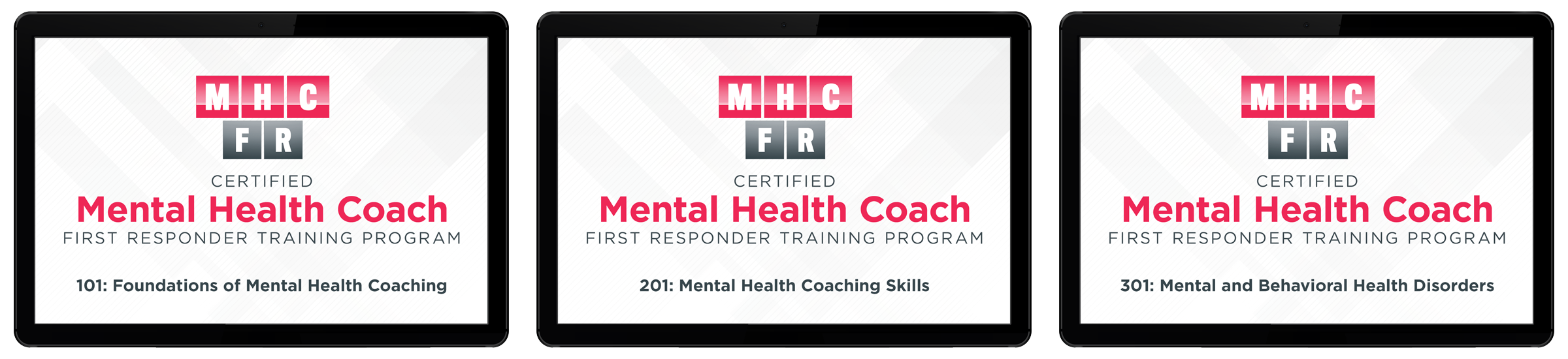
MHC 101. Foundations of Mental Health CoachingThis introductory course is designed to provide students with an orientation to the field of mental health coaching. Topics covered include the role and scope of mental health coaching, ethical guidelines and professional standards in coaching, crisis intervention techniques, and the integration of faith and biblical wisdom in coaching.
MHC 201. Mental Health Coaching Skills
The purpose of this course is to provide students with the fundamental theories and skills of Christ-centered mental health coaching. Key elements of the coaching process, including methods of change, listening, effective communication, giving hope, small groups, and counseling theory, will be discussed.
MHC 301. Mental and Behavioral Health Disorders
This course will introduce students to the fundamentals of mental and behavioral health disorders. Particular emphasis will be placed on factors that cause mental disorders, as well as conventional treatments. Conditions discussed include addiction, anxiety disorders, bipolar disorder, major depressive disorder, eating disorders, and posttraumatic stress disorder.
Become an AACC Member!
As an AACC member, you’ll gain the tools, knowledge, and support you need to continue making a difference in the lives of those who need it most.
